If you're looking to create a solid blog post, especially one that might be related to Japanese content (given the mention of "japanese" in your string), here are some general tips: Decide on a specific topic you want to cover. This could be anything from Japanese culture, traditions, cuisine, technology, to language learning tips. 2. Research Thoroughly Once you have a topic, research it thoroughly. Look for credible sources that can provide valuable insights and information. 3. Create an Outline Before you start writing, create an outline. This will help you organize your thoughts and ensure your blog post flows logically. 4. Write Engagingly Start with an engaging introduction that captures your readers' attention. Use clear and simple language, and try to relate your content to your audience's interests. 5. Include Visuals Blog posts with images, videos, or infographics tend to perform better. If you're writing about Japan, consider including high-quality photos or illustrations that showcase the beauty of the country or the authenticity of what you're discussing. 6. Optimize for SEO If you're writing a blog post with the intention of it being found through search engines, consider basic SEO (Search Engine Optimization) practices. This includes using relevant keywords (like "Japanese" in your case), optimizing your title and meta description, and ensuring your site is mobile-friendly. 7. Proofread Finally, proofread your work. A well-written, error-free blog post will make a much better impression than one with typos and grammatical errors.
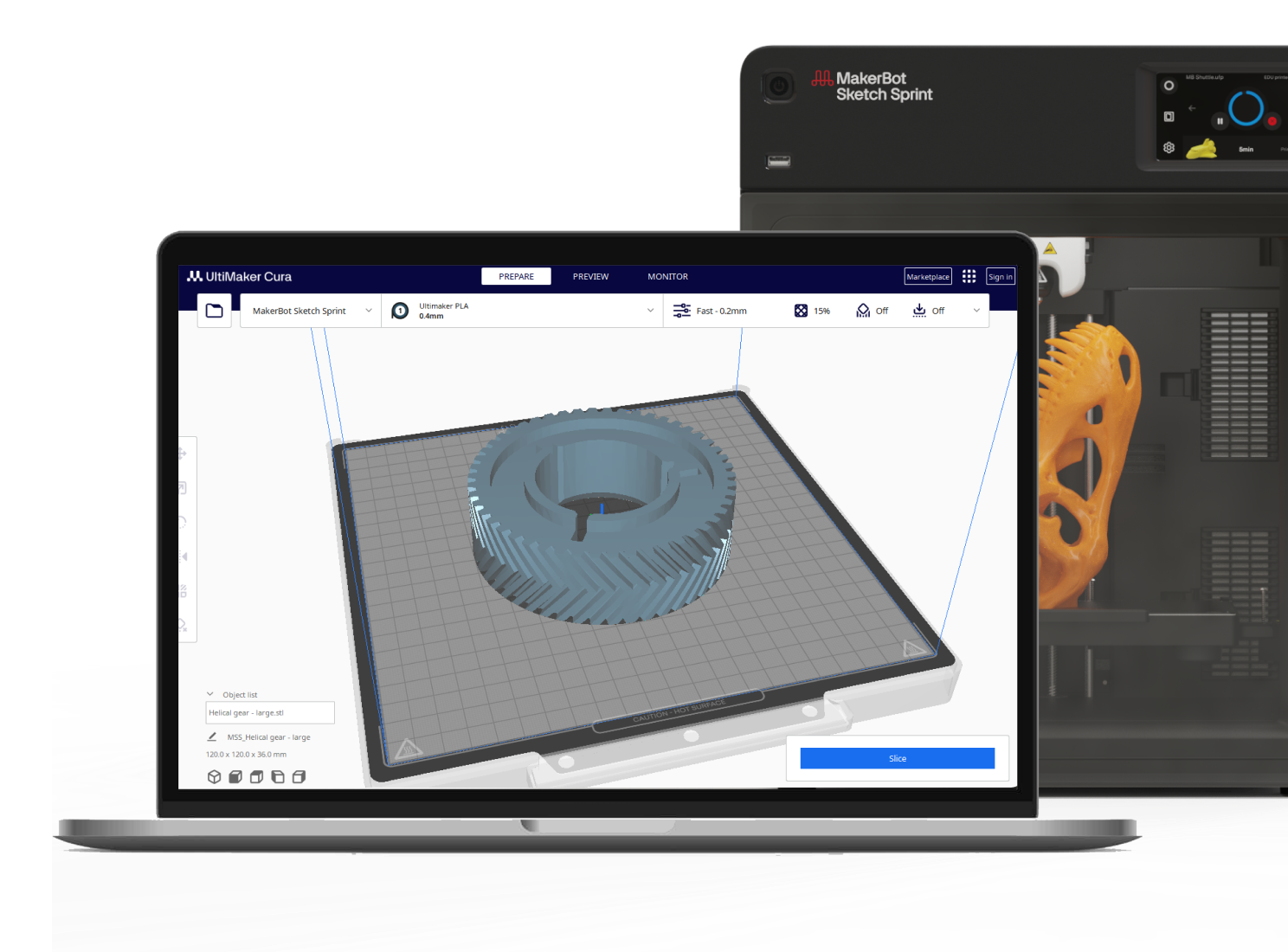
UltiMaker Cura
For advanced users looking to get the most custom control over their 3D printers.
UltiMaker Cura is free, easy-to-use 3D printing software trusted by millions of users. Fine-tune your 3D model with 400+ settings for the best slicing and printing results.